Best Software Development Tools in 2026
Building software involves more than writing code. This collection covers the work around it: Git clients such as Fork, browser and visual testing with BrowserStack and Percy, API documentation, and build and deployment tools. Browse the topic links to separate everyday development utilities from systems your whole engineering team will use.
Browse Development by topic
Developer Tools
The best AI developer tools fit into the loop developers already live in: reading code, changing it, testing it, reviewing the diff, and figuring out why something broke. They help explain unfamiliar repos, write unit tests, generate small chunks of boilerplate, debug failing builds, and clean up code that has grown awkward over time. Tools like GitHub Copilot, Cursor, and Replit are useful when they understand enough context to act like a careful pair programmer instead of a snippet generator. A frontend developer might paste in a tangled React component, ask for smaller hooks and better test coverage, then inspect the diff before merging. That is the right bargain: less grunt work, no outsourcing of judgment. Weak tools encourage copy-paste confidence. Strong ones make the next commit easier to understand, review, and maintain. If a tool cannot explain its change clearly, it should not be anywhere near production code.
Frontend Development
Frontend development tools are most useful when they sit close to the actual work: writing components, fixing layout bugs, reviewing state logic, and turning rough UI ideas into usable code. AI tools in this category can help generate React components, explain unfamiliar codebases, convert designs into HTML and CSS, or refactor a messy form before it ships. Tools like Cursor, v0, and GitHub Copilot are common choices, especially when developers want faster iteration without giving up control of the code. A frontend engineer might paste in a clunky dashboard component, ask for cleaner responsive behavior, then review the output line by line before committing anything. The good tools make reasonable guesses and expose their logic. The bad ones hide complexity behind confident snippets. Frontend still rewards taste, restraint, and a sharp eye for broken edge cases.
Open Source
The Open Source collection currently emphasizes app building and automation. Dyad supports local AI app-building workflows, while Appsmith, Budibase and ToolJet cover internal tools. Activepieces, Flowise and Automatisch address connected workflows or AI applications. GitHub also appears as a place to host and collaborate on projects, rather than as an interchangeable alternative to these tools. Start with the job you need a project to perform. Read the repository and license for the specific edition you plan to use. Public source code, self-hosting and an open-source license are different properties; check each instead of relying on a category tag. Look at release activity, documentation, issue responses and the work required for upgrades and backups. Compare paid-feature boundaries and any external API costs. Self-hosting gives you responsibilities as well as control, so budget maintenance time alongside infrastructure costs.
Accessibility
Accessibility work combines design choices, implementation checks and evaluation of real interactions. These listings span automated audits through Lighthouse and Axe DevTools, contrast tools, color-vision simulation with Color Oracle, and practical guidance from The A11Y Project and Inclusive Components. Each addresses a different part of making interfaces usable by more people. Choose resources around the task at hand: checking a palette, designing a component or investigating a live page. Contrast measurements and visual simulations can highlight specific issues, but they do not evaluate every interaction or represent every person’s experience. Pair tool findings with hands-on checks of keyboard navigation, focus, zoom and assistive-technology use. Review the complete path through important tasks, including errors and dynamic states. Keep accessible patterns in shared components so fixes carry into future screens, and retest after changes rather than relying on one audit score.
Mac Apps
This Mac Apps collection mixes specialist work tools with everyday utilities. RapidAPI for Mac supports API testing, Kap covers screen recording, Sip handles color picking, and Squash works with image batches. Paste, Sortail and mirowl address clipboard, email and screenshot organization. ConnectWizard adds App Store analytics. Use the task-specific tags to narrow the list rather than choosing an app solely because it runs on macOS. Test the action you repeat most often and compare the steps it saves. Check your macOS version and hardware compatibility, keyboard shortcuts, export formats and integration with the apps you already use. Review requested permissions, local versus cloud processing and sync settings for tools that handle clipboard or screenshot content. Compare subscriptions and one-time purchases alongside update policies. Keep utilities that remove a recurring friction point instead of adding another workflow to manage.
Version Control
Version control systems are software tools that track and manage changes to files, code, and digital projects over time. These platforms create a complete history of modifications, allowing teams to understand what changed, when it changed, and who made each change. Version control systems enable developers, technical teams, and collaborative projects to maintain organized repositories of their work while preventing accidental data loss and conflicts. The primary use cases for version control include software development, where teams coordinate code changes across multiple developers and branches. These tools also support documentation management, configuration file tracking, and content collaboration. Key features typically include branching and merging capabilities, conflict resolution mechanisms, rollback functionality to previous versions, and audit trails for compliance purposes. Version control systems serve several audiences: software development teams use them to coordinate work efficiently, individual developers benefit from backup and recovery capabilities, DevOps teams leverage them in continuous integration and deployment pipelines, and organizations utilize them for regulatory compliance and accountability. Both distributed systems like Git and centralized architectures serve different organizational needs, making version control essential infrastructure for any team managing digital assets or collaborative projects where change tracking and coordination are critical requirements.
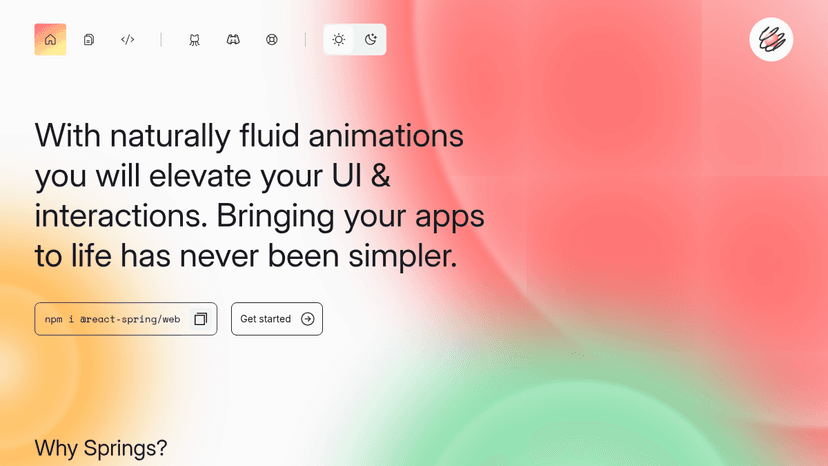
React-native animation library with spring physics that runs without re-rendering, supports SSR, and targets web, native, Three.js, Konva, and Zdog.


Build simple, free, fully responsive one-page sites for personal profiles, landing pages, and more


Render website screenshots with one API call — block cookie banners, remove ads, and capture full-page content without managing browser infrastructure

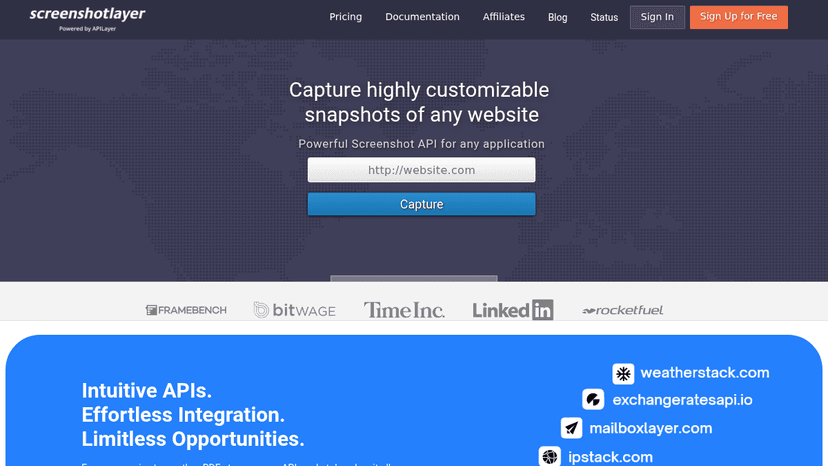
Capture high-resolution website screenshots via a simple API — free for 100 shots per month, with customizable viewports, CSS injection, and fast CDN ...


A screenshot API that delivers provable, defensible web captures — full pages, clean of clutter, with forensic context and stealth-mode rendering
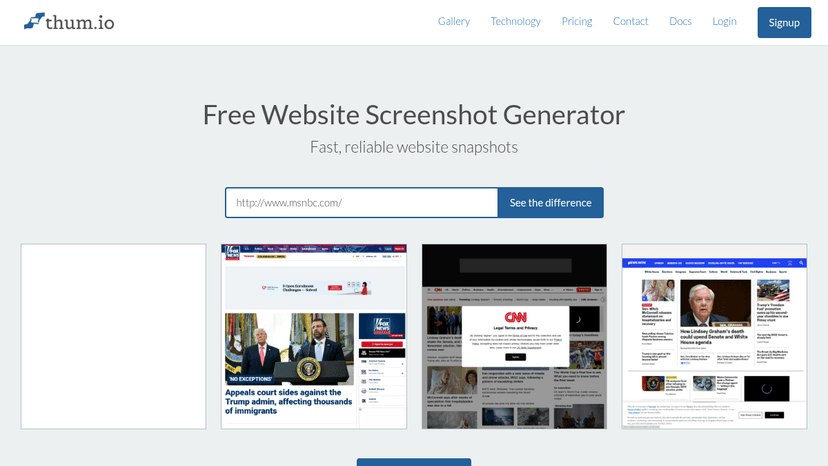
Get fast, real-time website screenshots with a live-streaming API — no waiting, 1,000 impressions free per month


Automate your business processes without coding. Use the affordable cloud solution or self-host on your own servers for full data control.
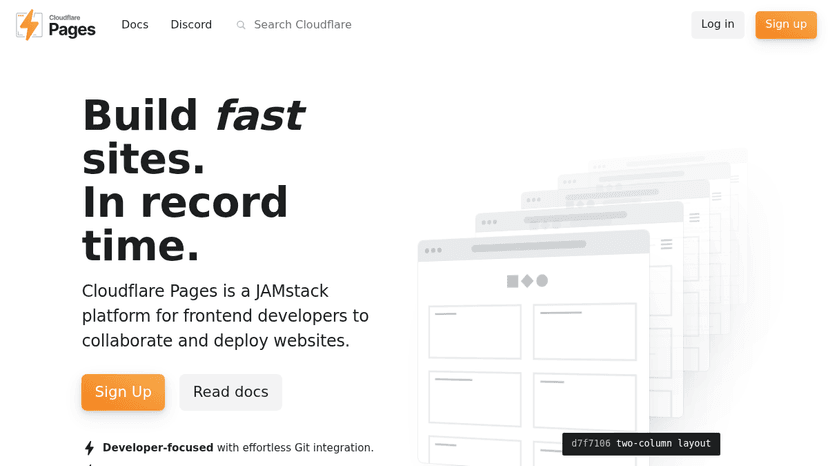
Build and deploy fast JAMstack sites with Git integration, unlimited collaborators, and Cloudflare's edge network — all for free.


Deploy any code on hardware-isolated containers that launch instantly, scale to tens of thousands of instances, and span 18 global regions — paying on...

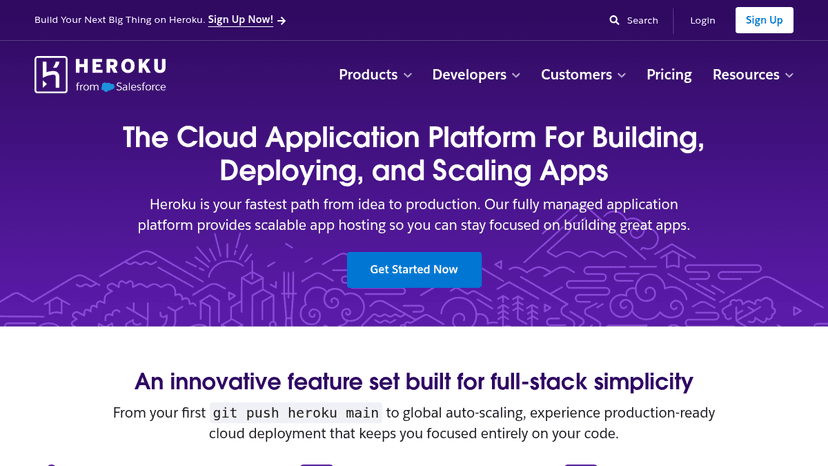
Build, deploy, and scale apps on a fully managed cloud platform — no infrastructure management required.

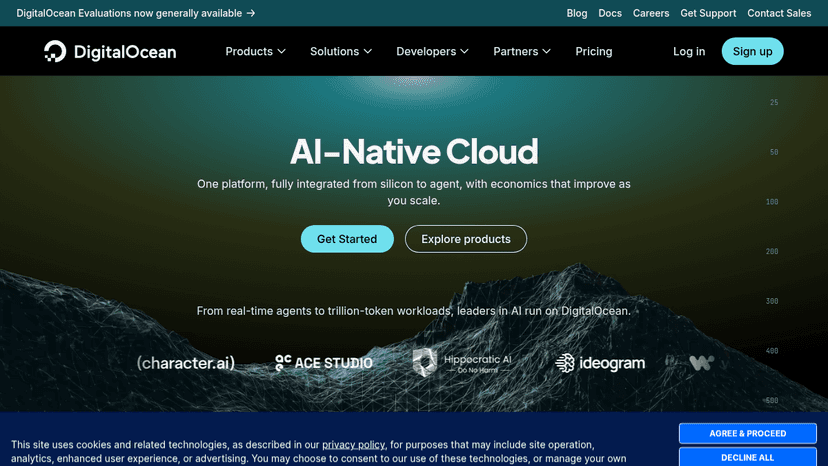
One cloud platform from silicon to agent — unified AI infrastructure for production inference, GPU compute, and managed cloud services with predictabl...

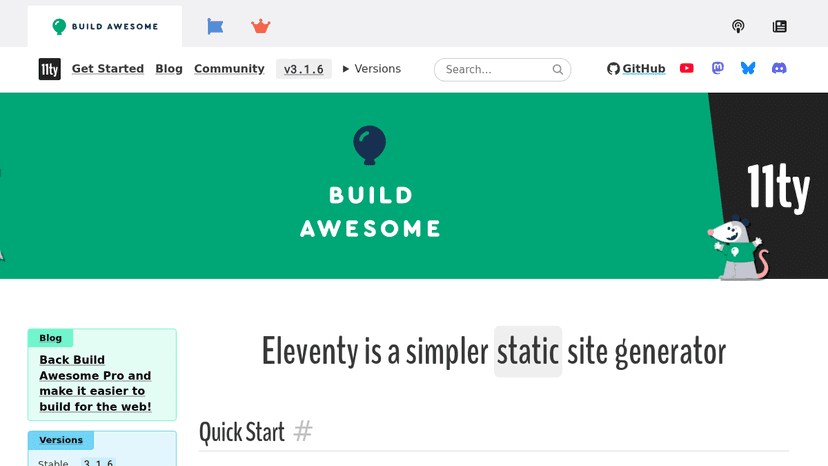
A simpler static site generator that compiles templates into fast, zero-client-JavaScript output sites.
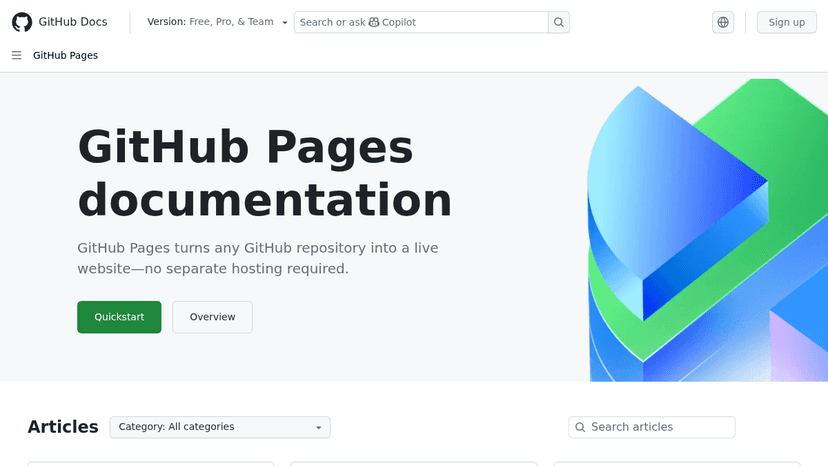
Host websites directly from your GitHub repository. Edit, push, and your changes go live — with support for custom domains, Jekyll blogging, and Markd...

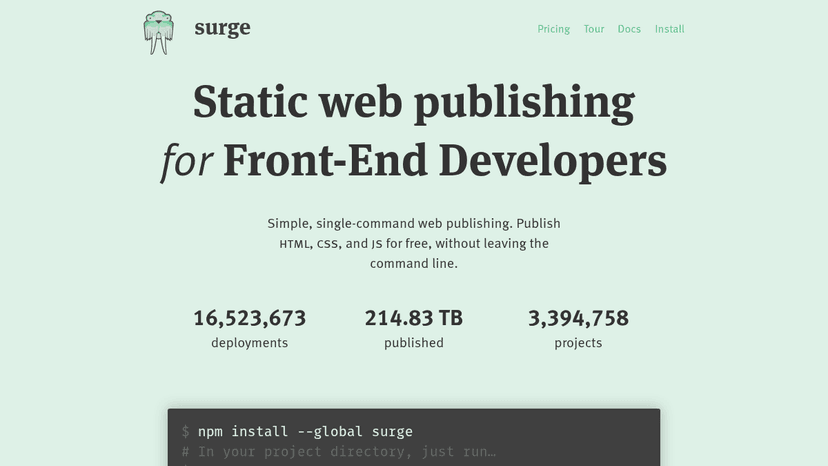
Single-command static web publishing from the CLI. Deploy HTML, CSS, and JS to a production-quality CDN for free.

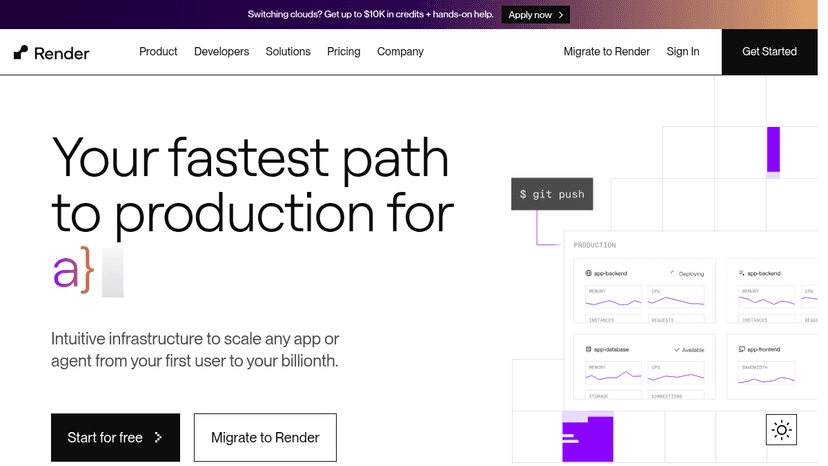
Deploy and scale any app or agent from first user to billionth with zero ops, automatic HTTPS and private networking.


Build on-brand landing pages at scale with AI agents, reusable components, and direct ChatGPT/Claude integrations

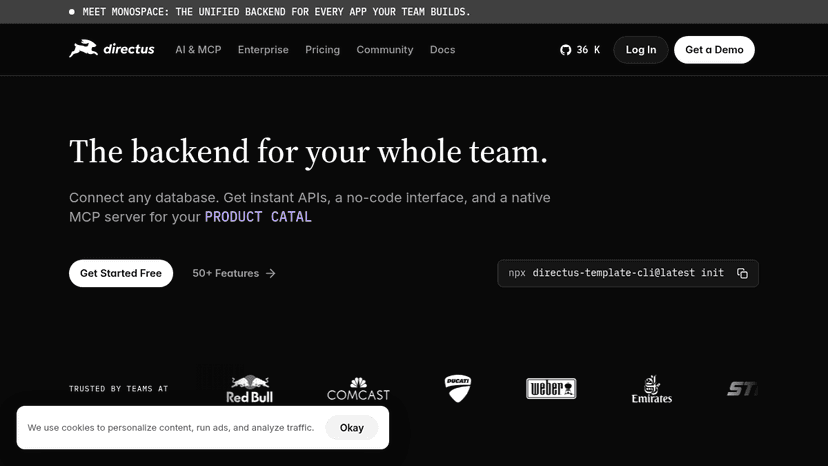
Connect any SQL database, get instant REST & GraphQL APIs, a no-code interface, and native MCP for AI tools — all shared across your content, dev, and...

Develop and test responsive web applications across 100 mobile, tablet, and desktop devices simultaneously with automatic URL sync, live error monitor...

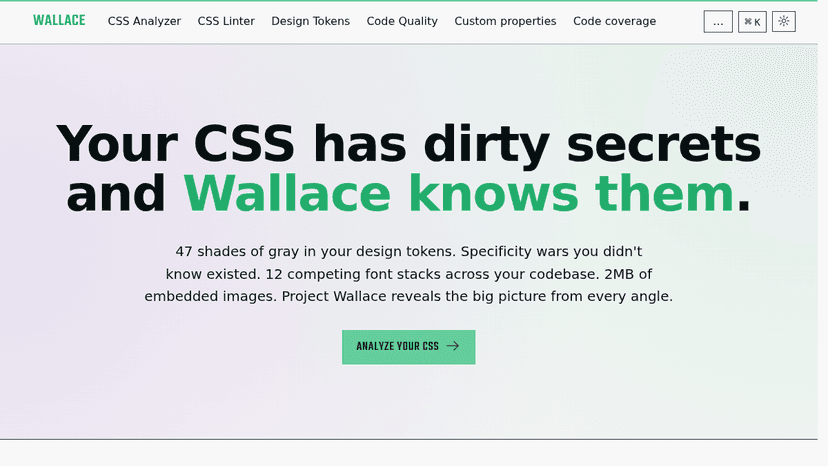
The best CSS Analyzer on the web. Check your CSS complexity, specificity, performance, design tokens and much more.
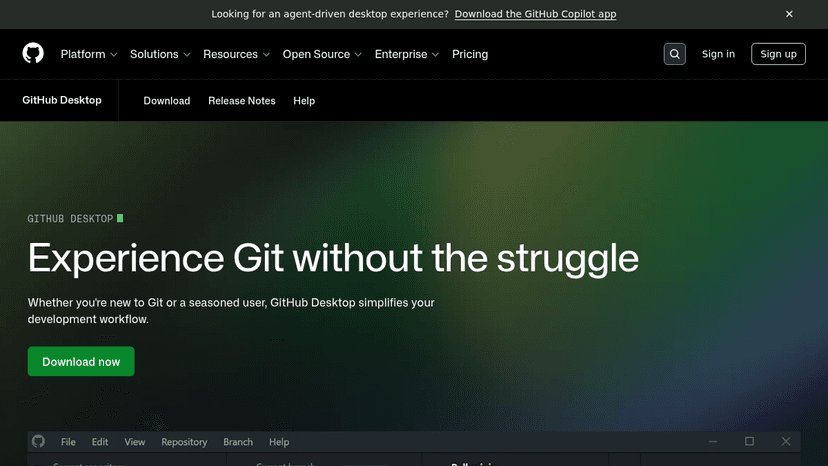
Simplify your development workflow with a GUI for Git that lets you review changes, manage commits, and stash work-in-progress without the command lin...
About Software Development Tools
Choose around a specific bottleneck. For testing, check browser coverage and how failures reach your team; for API documentation, check compatibility with your API definitions; for delivery, check your hosting targets and pipeline setup. A tool that fits your existing stack is usually easier to adopt than one that requires changing the entire workflow.
Compare top 5 Software Development Tools
Side-by-side highlights for the top-ranked products in this category. Products whose main category this is come first, then by featured placement, upvotes, ratings, and review count.
| Compare |  Windows Terminal Product page |  Fox Issue Tracker Product page |  SurrealDB Product page |  Barflare Product page |  ChatPilot – ChatGPT Bulk Delete, Archive & Timestamps Product page |
|---|---|---|---|---|---|
| Best for | Run command-line tools in a tabbed, themed terminal, and read the actual conhost.exe source Microsoft ships inside Windows. | Organize issues around the versions you ship and the milestones that get you there, track effort on Kanban boards, and keep Mac, iPad, and iPhone in sync | Query graphs, vectors and documents in one ACID database, and give AI agents persistent memory where every fact keeps its source. | Flare local apps to public HTTPS links in one click, and let AI agents manage Cloudflare tunnels while you keep full visibility. | Bulk delete or archive ChatGPT conversations in one run, add a timestamp to every message, and jump through long threads without endless scrolling. |
| Pricing | unknown | contact_sales | unknown | one_time | unknown |
| Platforms | Windows | macOS, iOS | — | macOS | — |
| Rating | — | — | — | — | — |
| Upvotes | 0 | 0 | 0 | 0 | 0 |
| Verified | No | No | No | No | No |
| Launch date | — | — | — | — | — |
Development FAQ
Quick answers based on the products currently listed in this category.
What are the top Software Development Tools on MazikBox?
Among 345 listed Software Development Tools, top-ranked options include Windows Terminal, Fox Issue Tracker, and SurrealDB. The comparison table above shows their pricing, ratings, and platforms side by side.
What pricing models are available among these Software Development Tools?
The Software Development Tools compared here include unknown, contact_sales, and one_time pricing options.
Which platforms do these Software Development Tools support?
Products listed in this category support windows, macOS, and iOS.