
About Leni
Overview
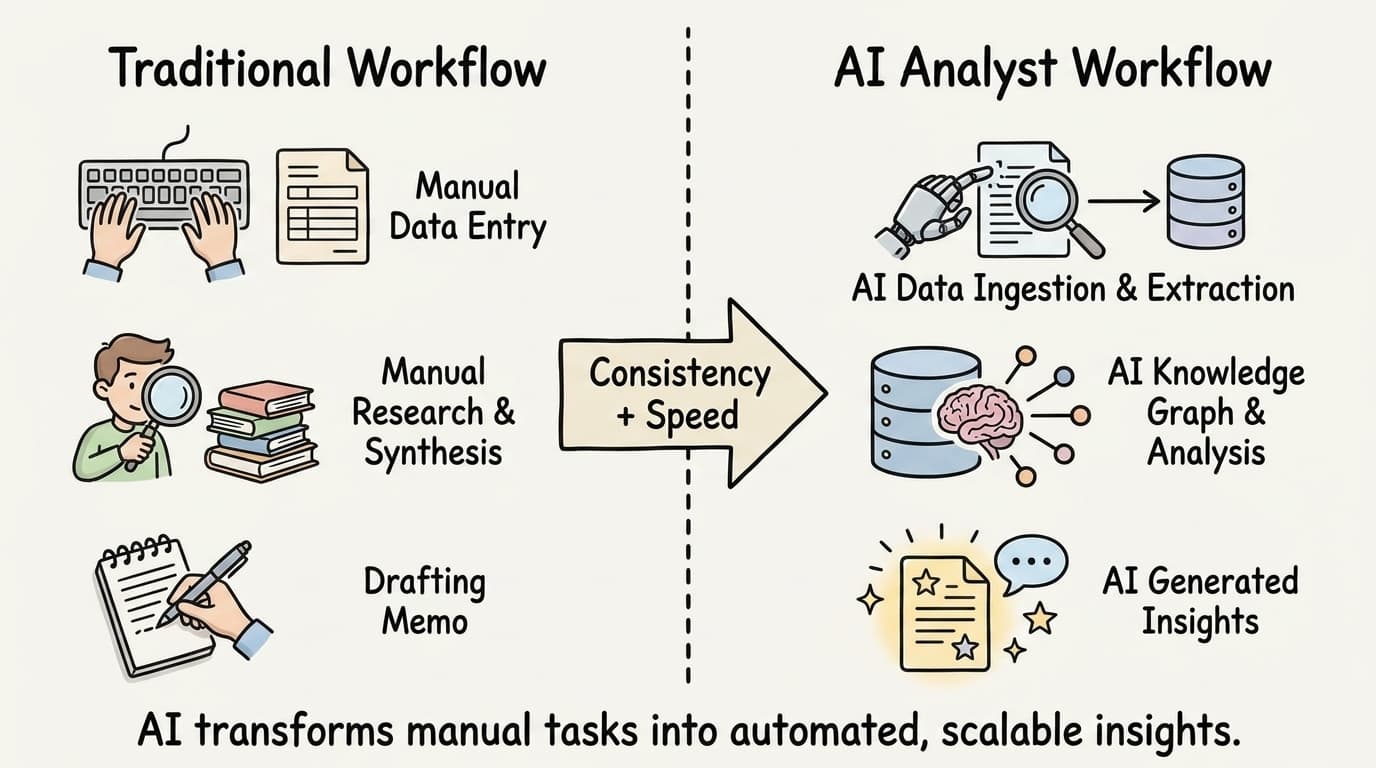
Leni builds AI infrastructure for commercial real estate firms, offered in two forms. Teams either run an AI operating system shaped around their own models, data, and company knowledge, or hand work to AI-assisted real estate specialists who deliver reporting, underwriting, and investor updates on Leni's infrastructure.
The platform connects real estate systems through a shared real estate data model and a company knowledge graph, so every app and workflow reads the same definitions and live evidence. Leni states it has supported more than $80 billion in assets and processes over 100 million rows of data each day.
Key Benefits
- Choose the models that fit each job and keep workflows, company context, and controls in place as models change.
- Keep the reasoning, corrections, and approved decisions behind the work to build private training data for future AI.
- Connect real estate systems through a shared data model and company knowledge graph so AI works from live evidence and your own definitions.
- Focus the first use case on a measurable business outcome, such as protecting NOI by surfacing revenue gaps and cost drivers early.
- Turn recurring reporting and research into repeatable, reviewed delivery that lowers the cost of work.
- Give in-house builders ready-to-connect real estate foundations, workflows, and security controls as a starting point.
How It Works
Firms begin with one outcome they can measure, whether that is protecting NOI, lowering the cost of work, or building company value. They put proven AI work into production, capture how the company operates, and then own the apps, context, and AI shaped around the firm. Teams can also start by having Leni's AI-assisted specialists deliver the work while the platform foundations stay in place.
Use Cases
- Asset managers review portfolio performance to surface revenue gaps and cost drivers before they hit returns.
- Portfolio and reporting teams produce portfolio reports, deal underwriting, and investor updates in their own format.
- Investment and finance teams apply their own assumptions and definitions to underwriting through the shared real estate data model.
- In-house engineering and data teams build branded apps, workflows, and approved agent traces on Leni's foundations using its API.
- Firms without internal AI staff add AI-assisted real estate specialists who deliver recurring research and reporting work.
- Executive and strategy leaders run pilots tied to NOI, cost of work, and company value before scaling AI across the firm.
Why Choose This Product
Leni centers its offer on model independence and knowledge ownership: firms keep their workflows, company context, and controls even when underlying models change, and they retain the approved reasoning behind their work. Its patent-pending foundations pair a shared real estate data model with a company knowledge graph, and the API lets internal builders extend those foundations into their own applications.
Leni Pros & Cons
- Model-independent: keep workflows, context, and controls as models change
- Records approved decisions and corrections as private training data
- Shared real estate data model plus company knowledge graph
- API access lets in-house teams build their own apps and workflows
- Over $80 billion in assets supported and 100M+ rows processed daily
Key Features
Company AI Operating System
The Leni company OS organizes portfolio, acquisitions, and reporting work into one workspace.
Choice of Models
Teams select the models that fit each job and keep workflows, context, and controls as models change.
Company Knowledge Graph
Leni records decisions, corrections, and approved work to build private training data for future AI.
Integrated Real Estate Data
A shared real estate data model links company systems and supplies AI with company definitions and live evidence.
Build with Leni
API access lets internal teams build branded apps, workflows, and approved agent traces on Leni's foundations.
AI Real Estate Specialists
AI-assisted specialists deliver reporting, underwriting, and research work for firms that need output rather than tooling.
Reporting Workflows
Leni generates portfolio reports, deal underwriting, and investor updates tied back to source data.
Security and Evaluation Controls
The platform includes permissions, security controls, and verification and evaluation frameworks for AI work.
Leni Pricing
Pricing extracted from the product website and may change. Check the source for current details.
Frequently asked questions about Leni
What is Leni for real estate?
Leni is AI infrastructure for real estate businesses. It helps firms grow income, lower the cost of work, and build AI around their own business, either as a company AI operating system or through AI-assisted real estate specialists who deliver the work.
Does Leni lock me into one AI model?
No. Leni offers a choice of models so you can pick the models that fit the work, and you keep your workflows, company context, and controls as models change.
Can Leni use my company's documents and systems?
Yes. Leni connects your real estate systems through a shared real estate data model and company knowledge graph, giving every app and workflow the same data, definitions, and company knowledge.
Who owns the knowledge and data behind the work?
You do. Leni keeps the reasoning, corrections, and approved decisions behind the work so your knowledge compounds and becomes private training data for your own future AI.
Can my in-house team build on Leni?
Yes. Leni provides ready-to-connect real estate foundations, ready-to-use workflows, security controls, and API access, so your builders can create branded apps and workflows shaped around your firm.
What should a first AI use case target?
Leni recommends focusing the first use case on a business outcome you can measure, such as protecting NOI by surfacing revenue gaps and cost drivers while there is still time to act, or lowering the cost of recurring reporting.